
Note: Trench Base
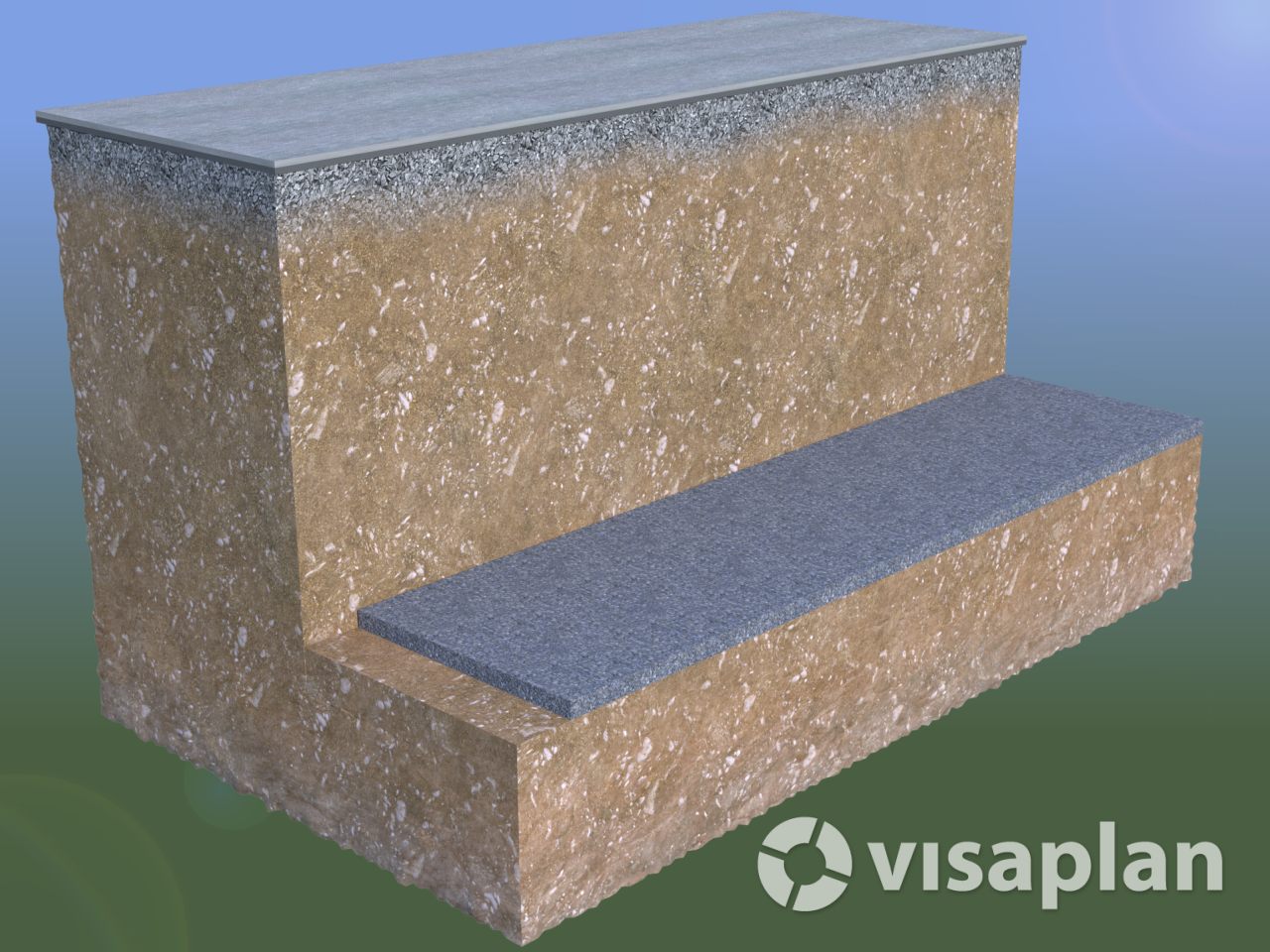
Trench base
Lower bedding layer
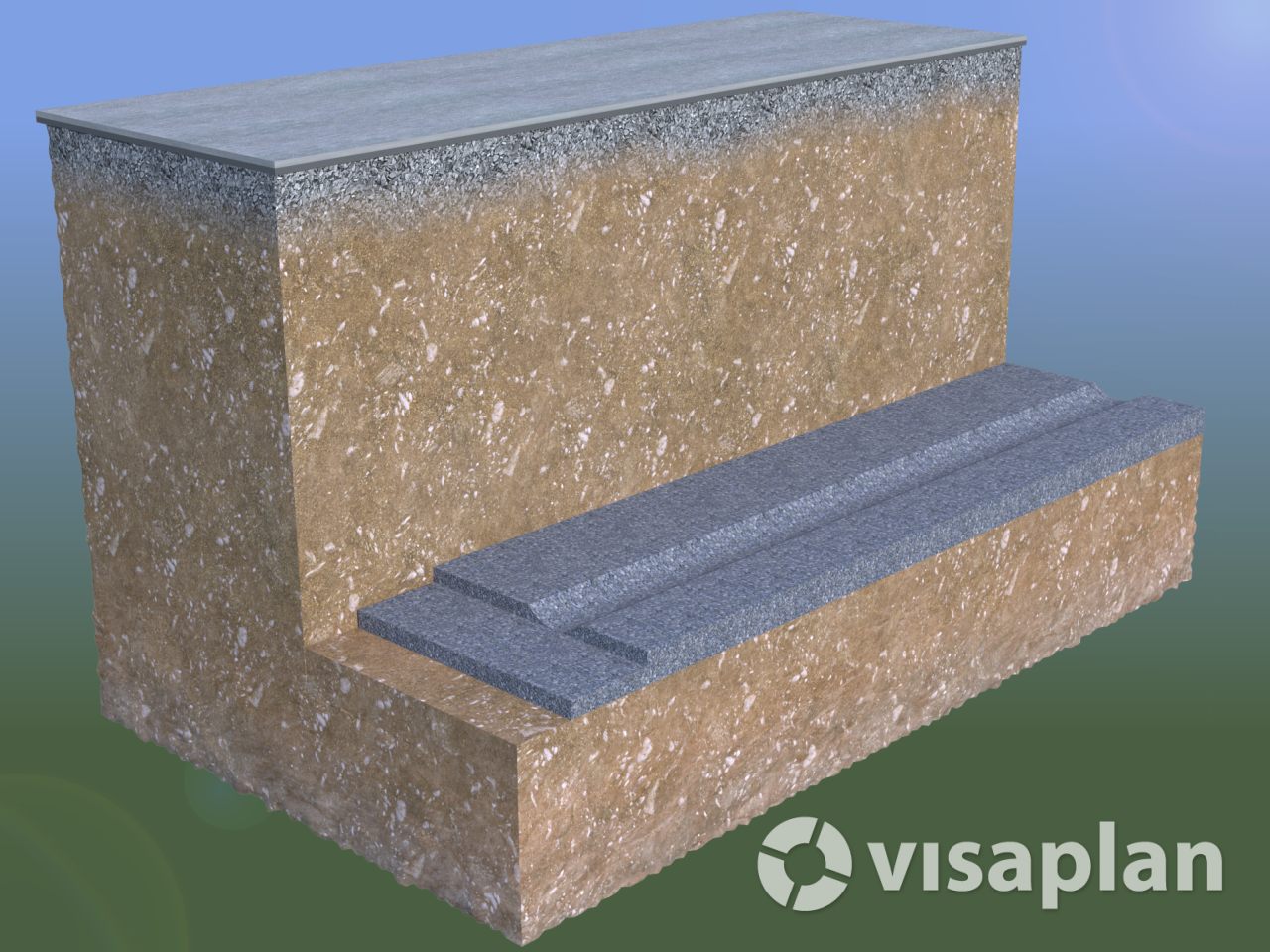
Upper bedding layer
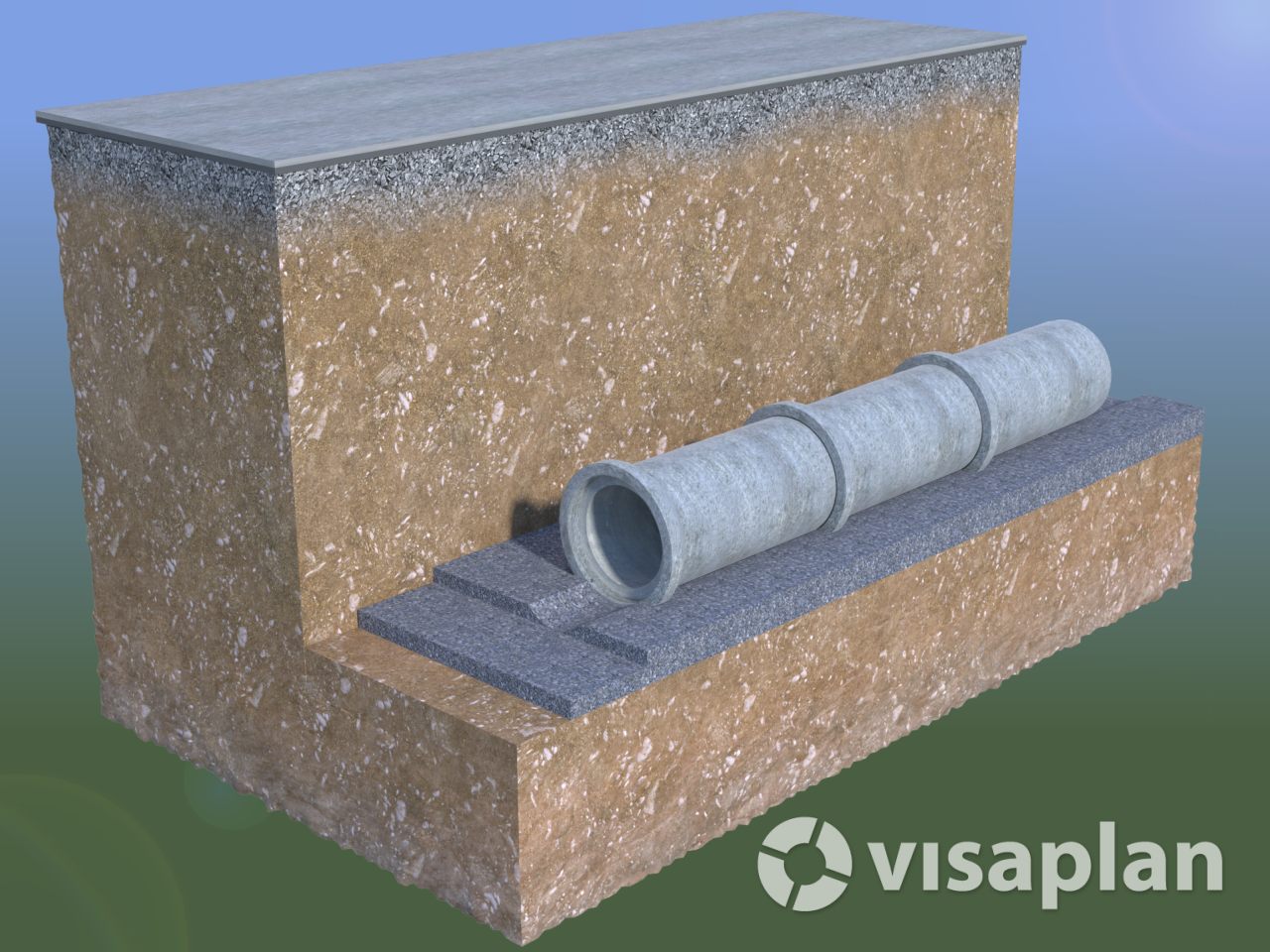
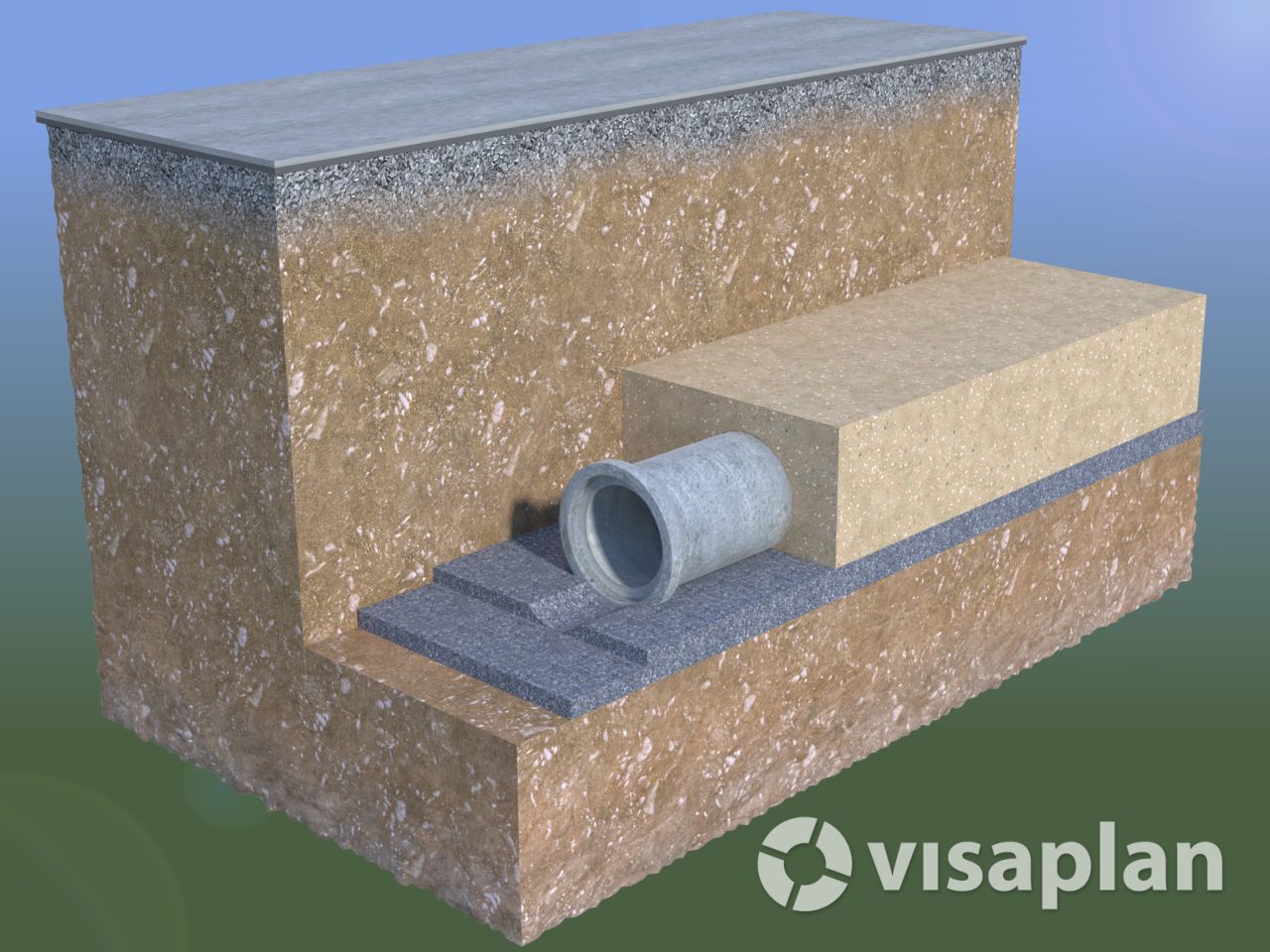
Side and cover fill
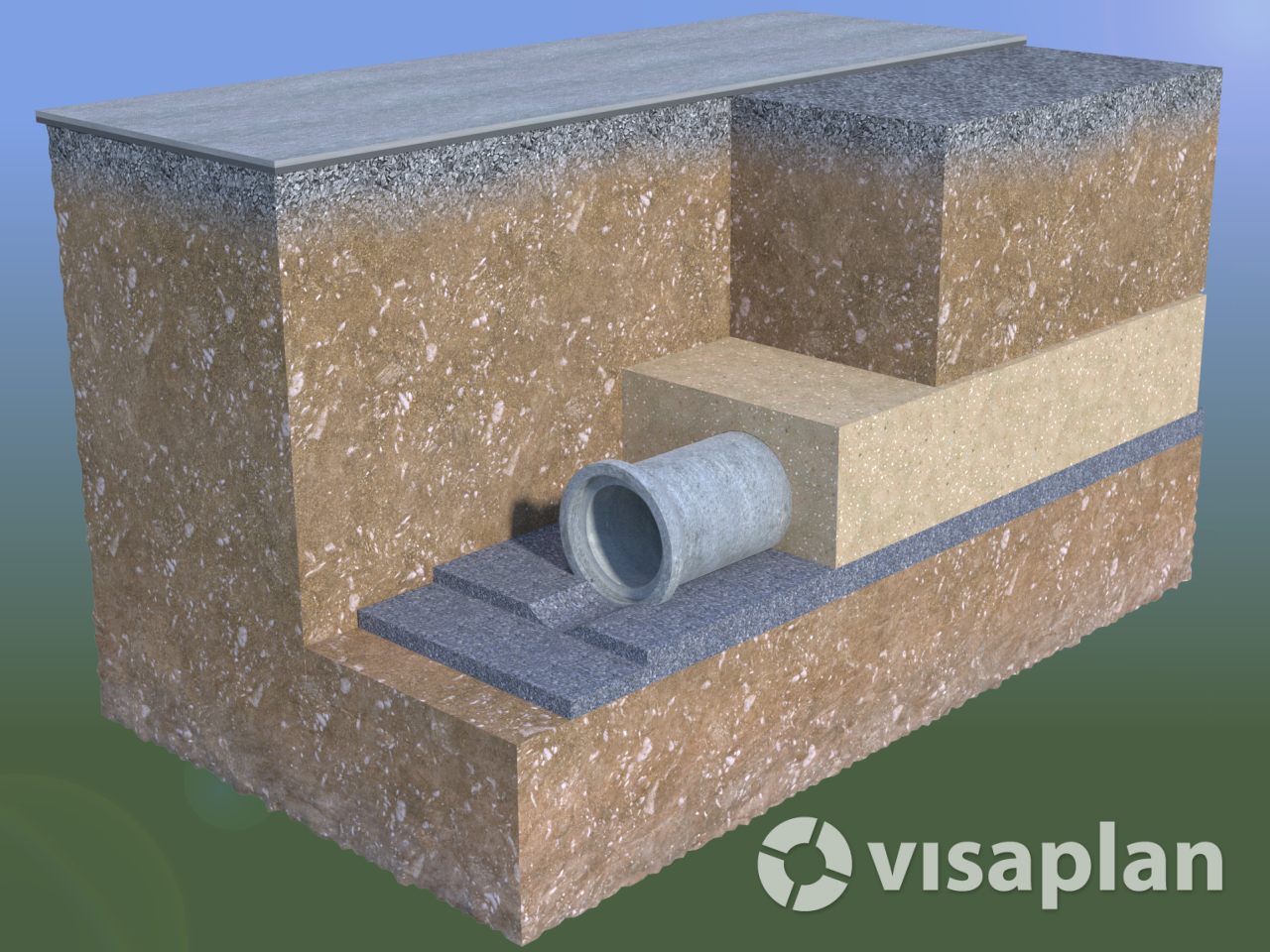
Main fill
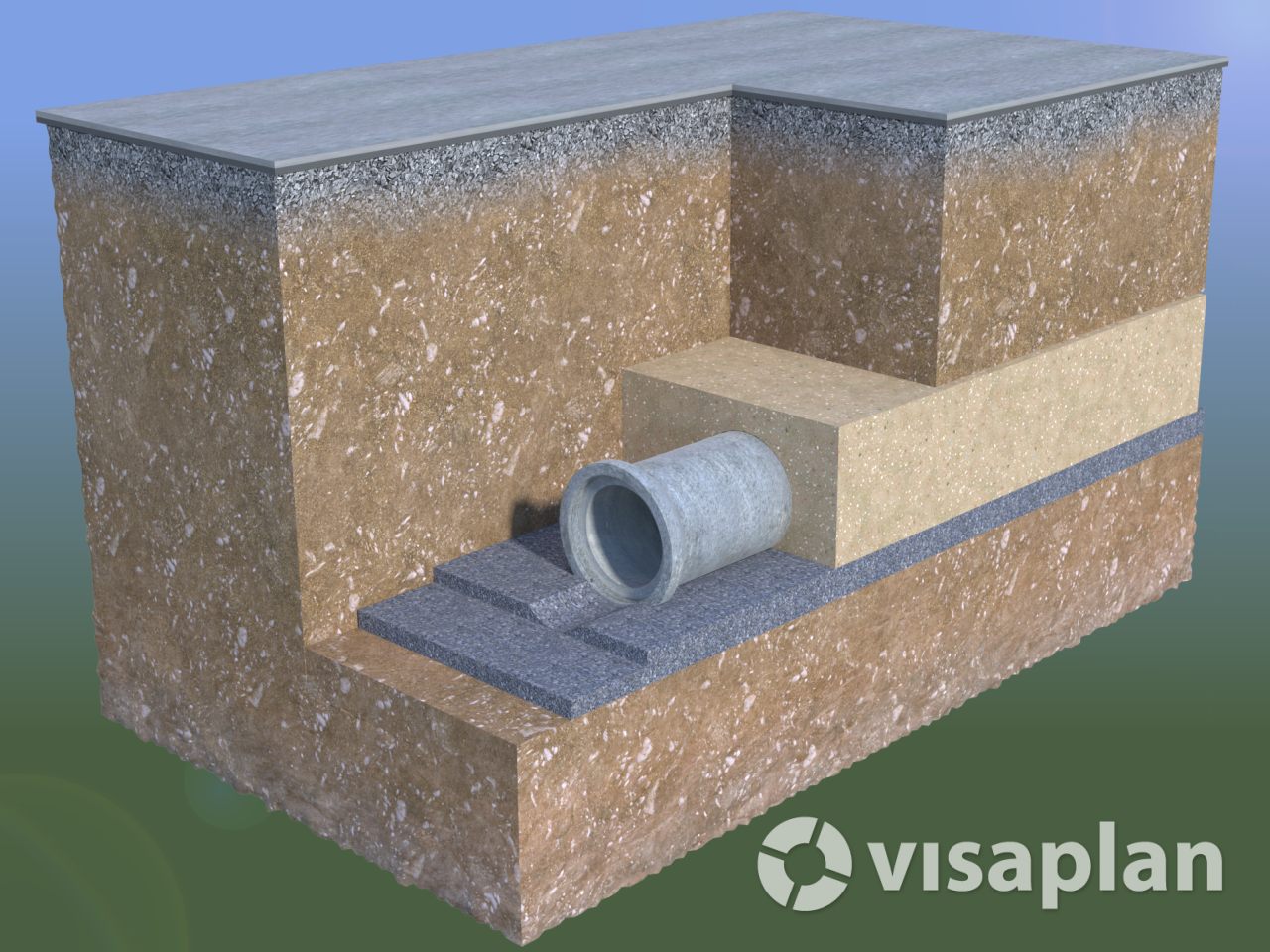
Road surface
The load-bearing capacity of the trench base must at least correspond to the load-bearing capacity of the existing soil.
The trench base is the level on which the lower bedding layer or foundation layer is placed.
Improper construction of the trench base does not provide the necessary load-bearing capacity for the subsequent pipe support and leads to subsidence of the pipes.
This in turn can cause cracks, pipe bursts, deformations, sewer leakage and operational problems (due to backwater in the sewer).
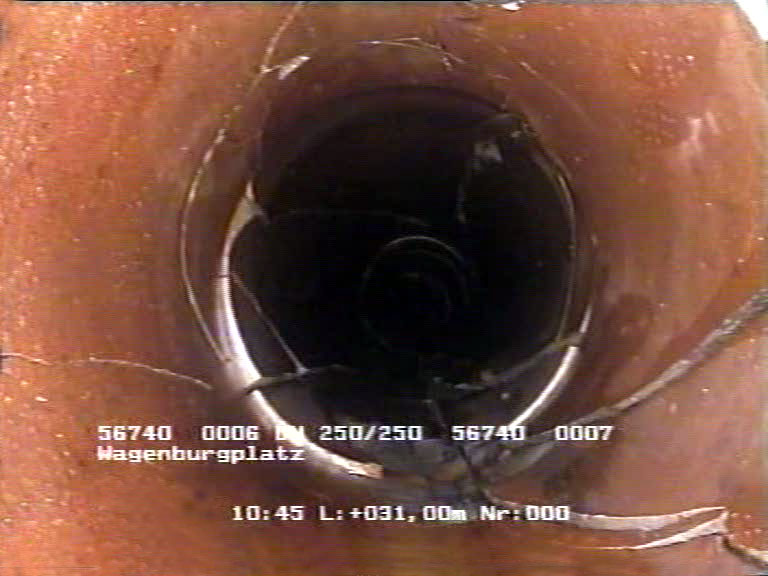
Fissure in longitudinal direction [STEIN Ingenieure GmbH]
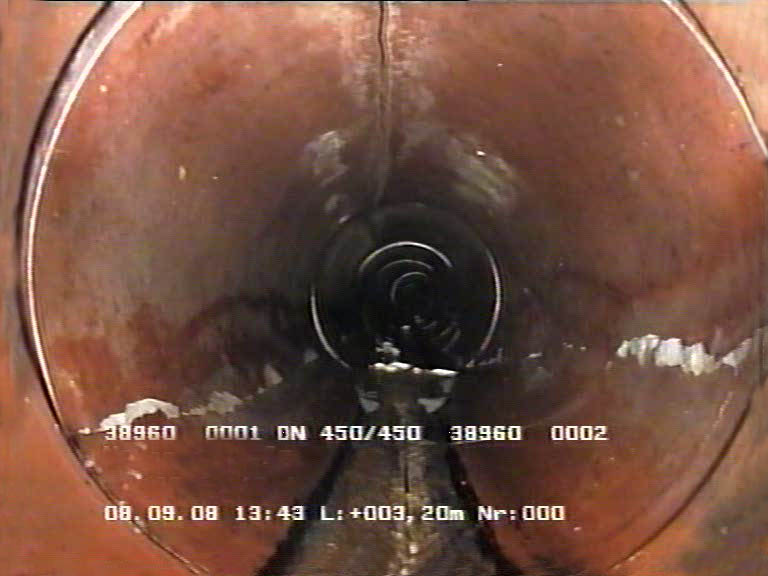
Fissure (complex) [STEIN Ingenieure GmbH]
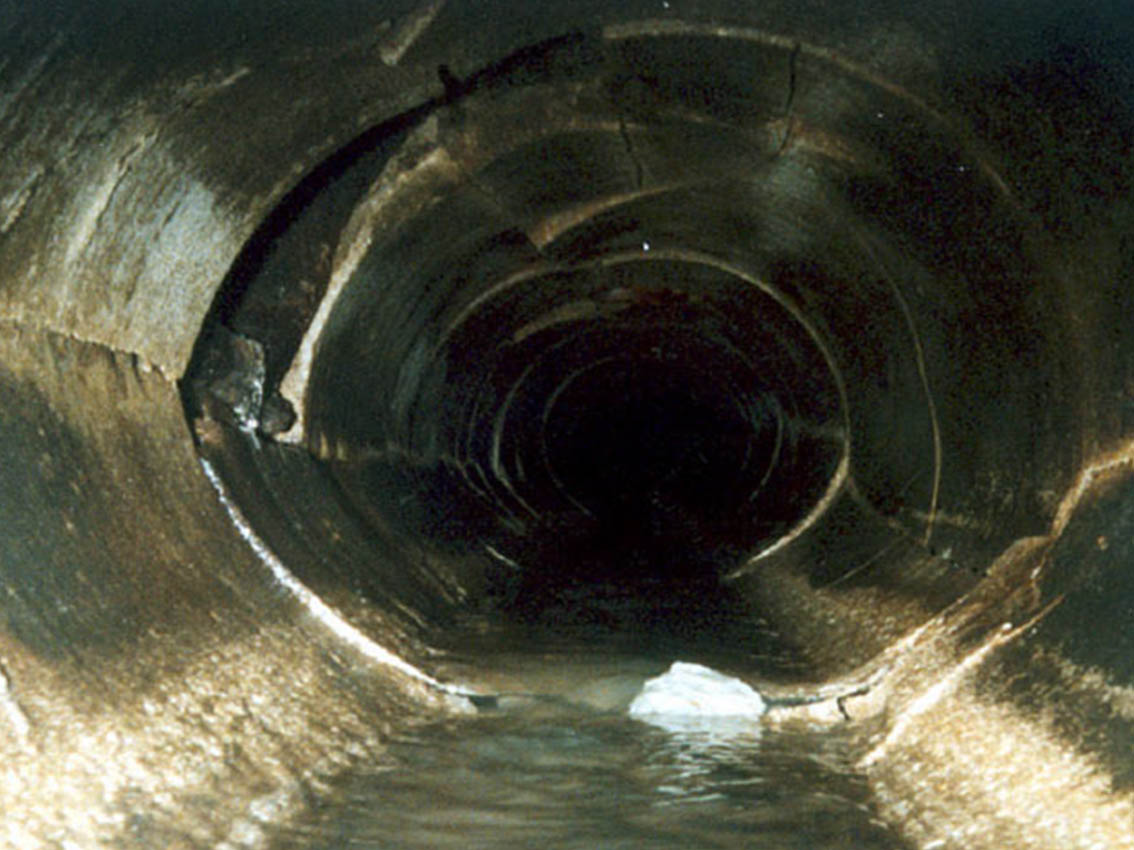
Pipe break: Segments of the pipe are displaced and missing [STEIN Ingenieure GmbH]
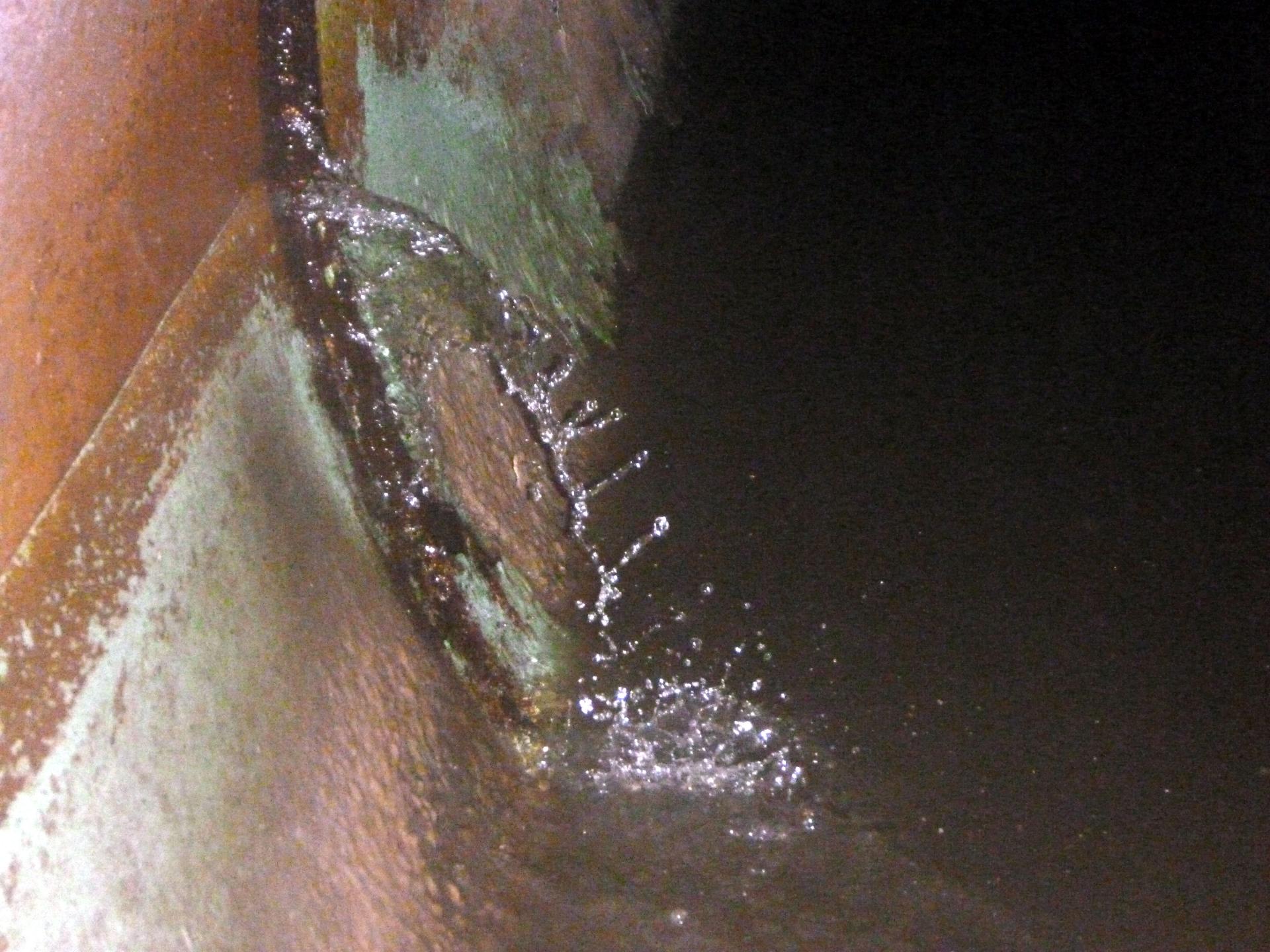
Infiltration of groundwater into the sewer [STEIN Ingenieure GmbH]
Therefore, the following aspects must be taken into account!
Which excavator bucket is suitable for this? Selection by clicking on the correct image.
Answer False
- When using an excavator bucket with teeth, the trench base is loosened.
- The trench base has to be re-compacted at great expense.
- Costs time and money.
Answer Correct
- When using a suitable excavator bucket without teeth, the risk of loosening the trench base is smaller.
- Nevertheless, the load-bearing capacity of the trench base must be checked.
- If it at least corresponds to the load-bearing capacity of the existing soil, everything is OK.
The trench base must be compactable and must be tightly bedded and load-bearing before installation of the bedding layer (after several compaction passes).
Note: The load-bearing capacity of the trench base must be at least equal to the original load-bearing capacity of the existing soil.
Attention: Soft, muddy soils in the trench base
Attention: Groundwater present in the trench base
Attention: Soaked trench base
Attention: Frozen trench base
Are you unsure whether the load-bearing capacity of the trench base is sufficient?
- Loading plate
- Cup with sensor
- Data processing unit
- Falling weight with handle and transport lock
- Spring damper
- Guide rod
- Release mechanism
- Cable
With the easy-to-use light drop weight tester, the point-by-point measurement of the load-bearing capacity of the trench bottom can be carried out with little time expenditure. The measurement results are available immediately. Thanks to its low weight and easy handling by one person, the light drop weight tester can also be used in places that are difficult to access.
The following video explains the use of the device:
Summary:
- The load-bearing capacity of the trench base must be at least equal to the original load-bearing capacity of the existing soil.
- The trench base must be free of water for the duration of the work. If this is not the case, proper soil compaction and a professional pipe support cannot be guaranteed.
- Any necessary measures for groundwater management must be carefully planned.
- Pipes must not be installed on frozen ground.
- The trench base must not be damaged or loosened by the excavation work (e.g. by teeth on the excavator bucket).